UGC for brands
UGC vs Influencer Marketing: What You Are Really Paying For

The short answer on UGC vs influencer
Here is the whole UGC vs influencer question in one line: a UGC creator makes content for your channels, and an influencer posts content on theirs. That split is not a law or a platform rule. It is how the industry uses the words, and Hootsuite (opens in a new tab), a social media software company, puts it exactly that way on its blog.
Think of it in GenX terms. UGC is your mixtape. You pick the songs, you own the cassette, and you play it in any car you want. An influencer is a shout-out on somebody else's radio show. Huge reach, real fans, but it is their station and their playlist.
So everything comes down to one question: whose audience do you want? If you want your own buyers to see a real person using your product, in your ads and on your product pages, you are paying for content. If you want someone else's followers to hear about you from a voice they already trust, you are paying for reach. Neither one is wrong. They answer different questions, and mixing them up is how a budget goes sideways.
I'm Trish, a GenX UGC creator, model and Navy veteran in Tampa. I make the content side of this, so weigh my take with that in mind. I will still tell you when an influencer is the better call, because honesty first is not negotiable for me.
What you are paying for: content vs reach
When you hire a UGC creator, the deliverable is the video file. You get the footage, you post it or run it where you choose, and the people who see it are yours: your followers, your site visitors and whoever your ads reach. The video works on your schedule, not on someone else's posting calendar.
When you hire an influencer, the deliverable is a post on their account, seen by their audience. You are renting attention that someone else built. That attention is the product, and sometimes it is exactly what you need.
A brand-made video sits in a third lane. Your team or your agency shoots it, it runs on your channels, and it sounds like the brand talking, because it is. Here is how the three stack up side by side.
| Question | UGC creator | Influencer | Brand-made |
|---|---|---|---|
| Where it is posted | Your channels and your ads | The influencer's own channels | Your channels and your ads |
| Whose audience sees it | Yours, plus whoever your ads reach | Their followers | Yours, plus whoever your ads reach |
| Who holds copyright by default | The creator, unless your written deal says otherwise | The creator, unless your written deal says otherwise | Your company, when employees made it as part of their regular duties |
| Is a disclosure needed | Yes, when the creator posts it with a brand connection (free product counts) | Yes, on every paid or gifted post (free product counts) | No creator post involved, but endorsement claims still have to be true |
| Best use | Ads, product pages, emails, testing many hooks | Reach, launch moments, social proof on their feed | Brand story, specs, polished campaigns |
A few notes on that table. The channel split is industry usage, not a legal category, and plenty of people do both jobs. The copyright row comes from US law: the U.S. Copyright Office (opens in a new tab) says the author is ordinarily the person who actually created the work, and works made for hire are the exception. The disclosure row comes from the FTC, which I cover further down.
When UGC wins
UGC is usually the stronger fit when one of these sounds like you:
- You run ads. Testing needs options. A batch of videos gives you several hooks and angles to try instead of betting the whole month on one.
- You need content for pages you control. A real person holding, opening and using your product can go on product pages, in emails and on your own social accounts.
- You want to keep the asset. With the right usage terms in writing, the video keeps working for you after the post date, wherever you are allowed to run it.
- Your buyers are grown-ups. This is the one I care about most.
Here is why the grown-up point matters. In Pew Research Center's 2025 survey of US adults, among people ages 50 to 64, 85% use YouTube, 74% use Facebook, 40% use Instagram and 30% use TikTok, per its Social Media Fact Sheet (opens in a new tab).
Read that chart again if you sell to people in their fifties and early sixties. TikTok is my home turf, and even I will tell you that in this age group Pew puts TikTok at 30% and YouTube at 85%. If an influencer's big following lives somewhere your buyers only visit now and then, you are renting the wrong room.
With UGC, you run the video where your buyers already are, on YouTube, Facebook, Instagram or TikTok, instead of renting one creator's audience on one platform. The same batch can feed all of them, as long as your usage terms cover it.

When an influencer wins
I would be lying if I said UGC is always the answer, and lying is not my brand. An influencer is the better buy when:
- You need their audience, not just a video. If nobody knows your brand yet, someone else's followers can be the fastest way in the door.
- You have a launch moment. A coordinated push across several creators' feeds can make a launch feel like an event instead of a whisper.
- You want social proof on their channel. A creator saying your name to people who already follow them, with comments and shares under it, is something a file in your Google Drive cannot do by itself.
The hybrid: creator posts run as ads
There is also a middle path, and it is worth knowing about. TikTok Spark Ads (opens in a new tab) let advertisers run organic TikTok posts as ads, including posts made by other creators with their authorization. Meta's version is called Partnership Ads. In May 2025, Meta (opens in a new tab) said advertisers can now feature just one partner in the ad's header on Facebook and Instagram, where before both the advertiser and the partner were listed.
That means you can take a creator's post and put ad money behind it, so it reaches people beyond their followers. The creator has to sign off, and the terms should be in writing. I break down the TikTok side in how TikTok Spark Ads work.
Rights and disclosure work differently
Two things are worth getting right before anyone hits record: who owns the video, and who has to say it is an ad.
Who owns the video
Under US copyright law, the person who actually created a work is ordinarily its author, and works made for hire are the exception, per Circular 30 from the U.S. Copyright Office. In plain English: unless your written deal says otherwise, the creator usually starts out holding the rights to the video they filmed.
So a UGC deal should say, in writing, where you can run the video, for how long, and whether paid ads are included. The same goes for an influencer's post. If you want to reuse it in your own ads later, that takes their permission too. This is general information, not legal advice, so loop in your own attorney on the contract. I walk through the checklist in UGC usage rights: what to get in writing.
Who has to disclose
The FTC is clear that free stuff counts. Its guide Disclosures 101 for Social Media Influencers (opens in a new tab) tells creators that if a brand gives them free or discounted products or other perks and they mention one of its products, they need to disclose it. That covers paid posts and gifted posts alike. For video, the same guide says the disclosure belongs in the video itself, not only in the description.
And this is not only the creator's problem. Under the FTC's Endorsement Guides, advertisers are subject to liability (opens in a new tab) for misleading or unsubstantiated statements made through endorsements, and for failing to disclose unexpected material connections with their endorsers. So whether you hire a UGC creator or an influencer, the claims in the video have to be true, and the brand connection has to be clear whenever a creator posts it.
How to choose: a 5-question checklist
Grab a pen. Five questions, honest answers.
- What is the goal? Getting in front of a brand-new crowd points to an influencer. Creative for your ads, pages and emails points to UGC.
- Which channel? If the video lives on your accounts and in your ads, that is UGC. If it needs to live on someone else's feed, that is an influencer.
- What is the budget shape? A steady supply of fresh videos every month fits a UGC retainer. One big push around a date fits a sponsored post or a creator campaign.
- What rights do you need? Organic only or paid ads too, which platforms, and for how long. Write it down before anyone films.
- What is the timeline? If you need videos to test this month and next month, plan a batch. If you need a splash on launch day, book creator feeds early.
If you answered "both" more than once, you are not indecisive. You might need both, and the hybrid above, a creator's post run as a Spark Ad or a Partnership Ad, is one way to bridge them.
Where I fit
I am a UGC creator, so here is my lane in plain English. I make short-form videos for your channels and your ads: talking heads, "yap" style, lifestyle and product videos, plus b-roll. I film in batches and deliver everything to Google Drive, on a monthly retainer or for a single project.
My categories are supplements, food, pets, cars, kitchen and appliances, planting and gardening, makeup, skin care and hair care. I do not do alcohol, tobacco or gambling. I also do not start or run a separate TikTok or Instagram account for your brand. You get the files, and you post or run them wherever your usage terms allow. Want the video on my own TikTok too? Ask. And if you want the ads run for you as well, ask about a UGC plus ads package with my ads partner.
Here are two of my own posts so you can see my style. The first is my GenX intro. The second is a protein powder video from my own feed, not a client job. Showing a product in my video does not mean that brand hired me.
My GenX intro
My hello to fellow Gen Xers: “Gen X, let's connect!”
Watch on TikTok: My GenX intro (opens in a new tab)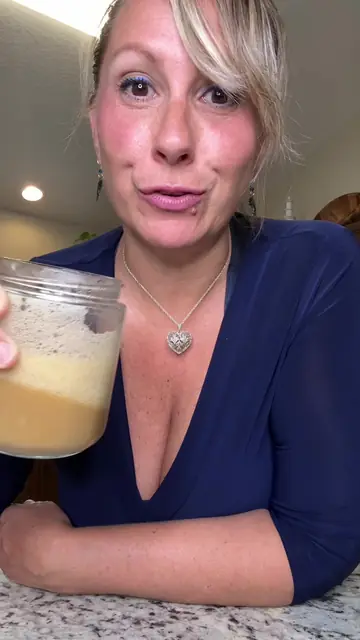
Supplements · TikTok Shop
Protein powder
Comment reply: “I love replying to comments about my favorite protein powder.”
Cover frame: Trish holds a jar of protein shake at her kitchen counter
Watch on TikTok: Protein powder (opens in a new tab)These are my own TikTok posts, shown as samples of my work. TikTok Shop videos can earn me a commission when viewers buy through them. A product appearing here does not mean that brand hired me.
Want to see more first? My portfolio has more of my product and lifestyle videos, and the big picture on creator videos for brands lives in UGC for brands: a grown-up guide. If you already know you need content for your channels, here is how to work with me.
Questions people ask
Is a UGC creator the same as an influencer?
Not quite. In common industry usage, a UGC creator makes content for your brand's channels and ads, while an influencer posts content on their own channels to their own audience. Some people do both jobs, so ask which one you are buying.
Do UGC creators post the videos on their own accounts?
Not by default. A standard UGC job delivers video files that you post or run as ads. Some creators will also post on their own feed or authorize a creator post for a TikTok Spark Ad, but that is a separate ask and belongs in your written agreement. For me, it is an ask.
Do UGC videos need an #ad disclosure?
When a creator posts about a brand that gave them pay, free product or perks, the FTC says to disclose it, and in a video the disclosure belongs in the video, not only in the description. When your brand runs the video as its own ad, the claims in it still have to be true. This is general information, not legal advice.
References
- User-generated content (UGC) guide for brands (vendor blog) (opens in a new tab). Hootsuite.
- Social Media Fact Sheet (opens in a new tab). Pew Research Center.
- About Spark Ads (opens in a new tab). TikTok Ads Manager Help Center.
- Meta at IAB NewFronts 2025 (opens in a new tab). Meta for Business.
- Circular 30: Works Made for Hire (opens in a new tab). U.S. Copyright Office.
- Disclosures 101 for Social Media Influencers (opens in a new tab). Federal Trade Commission.
- 16 CFR 255.1, General considerations (FTC Endorsement Guides) (opens in a new tab). Cornell Law School, Legal Information Institute.
Keep reading

Start here
UGC for Brands: The Grown-Up Guide to Creator Videos That Sell
What UGC means for a brand, where it runs, which rights to get in writing, and why households headed by Gen X are worth a creator who looks like them.

TikTok Spark Ads: Running a Creator's Video as Your Ad
TikTok Spark Ads let a brand run a creator's real post as an ad. Here's how the authorization code works, how it compares to whitelisting and Partnership Ads, and what to put in writing.

UGC Usage Rights: A Plain-English Guide for Brands
Who owns a UGC video, what organic, paid, perpetual and creator-account usage mean, what vendor rate guides say they add, and a contract checklist for brands.