UGC for brands
UGC for Brands: The Grown-Up Guide to Creator Videos That Sell

What UGC means for a brand
Let's start with the word itself, because the internet has made a real mess of it.
The formal version comes from the OECD. In a 2007 report, it defined user-created content in three parts: it is made publicly available online, it reflects some creative effort, and it is created outside professional routines and practices (OECD (opens in a new tab)). That third part is the one that changed. Even back then, the same report noted it was getting harder to say that creators expected no pay and worked outside professional routines. Fast forward to today, and "UGC creator" is a paid job.
The marketing version is simpler. Hootsuite, a social media software company, describes UGC on its blog as original, brand-specific content made by real customers and fans rather than by the brand itself (Hootsuite (opens in a new tab)). Paid UGC for brands keeps that look and feel: a real person, a real kitchen, a real phone. The difference is that the brand commissions it and gets the rights to use it.
And here is my version, straight from my own store page. UGC is "fancy lingo for creating short-form videos for brands about products you're ALREADY using." Real person, real product, filmed so it stops the scroll. That's the job.
What is a UGC creator?
UGC creator meaning: a UGC creator is a person who makes short, natural-looking videos and photos about a product so the brand can post them on its own channels, its product pages and its ads. The creator's own follower count is not the point. The content is.
UGC creator vs influencer, in one paragraph
Quick version: UGC creators make content for your channels, while influencers post content on theirs (Hootsuite (opens in a new tab)). When you pay an influencer, you are mostly paying for their audience. When you pay a UGC creator, you are paying for the video, and you decide where it goes: your TikTok, your product page, your email, your ads. That's why a UGC creator doesn't need a giant following to be useful to you. If you're still deciding which one you need, I lay out the full side by side in UGC vs influencer.
Why grown-up buyers matter
Here's the part I care about most, and yes, I'm biased, because I'm one of them.
Pew Research Center defines Generation X as people born between 1965 and 1980 (Pew Research Center (opens in a new tab)). The Bureau of Labor Statistics groups US households by the birth year of the person at the head of the household, and the 2024 numbers are hard to ignore:
- Households headed by Gen X were 26.7% of all US households, but they accounted for 32.9% of all consumer spending (BLS (opens in a new tab)). No other generation's households had a bigger share of spending.
- Those same households had the highest average pretax income of any generation, $140,313, and the highest average annual spending, $96,941. The average across all households was $78,535 (BLS (opens in a new tab)).
In plain English: households headed by Gen X spend more per household than any other generation, and they carry a bigger share of total spending than their share of households. If you sell supplements, skin care, kitchen gear, pet products or anything for the home, a big piece of your buyers may look a lot more like me than like a college sophomore with a ring light.
| Generation | Born | Share of households | Share of consumer spending |
|---|---|---|---|
| Gen Z | 1997 or later | 8.2% | 5.7% |
| Millennials | 1981 to 1996 | 27.1% | 29.6% |
| Gen X | 1965 to 1980 | 26.7% | 32.9% |
| Boomers | 1946 to 1964 | 30.6% | 27.0% |
| Silent and older | 1945 or earlier | 7.4% | 4.8% |
The chart below shows the same story in dollars per household.
So what does that mean for your creative? I'm not telling you to fire your younger creators. I'm telling you to test a creator who looks and talks like the person actually buying, and let the numbers decide. If you ask me, grown-up buyers can smell a script from a mile away. Lord knows we've sat through enough infomercials.
The formats brands buy
Here's what I make, and what each format is good for. I go deeper, with examples, in types of UGC videos.
- Talking head. Me on camera, talking straight to the viewer about the product. Good for explaining what it is and who it's for.
- Yap style. Chatty and loose, like a voice memo to your best friend with the camera on. Good for hooks and for replying to comments.
- Lifestyle. The product living in a normal day: the kitchen, the garden, the car. Good for showing how it fits into real life.
- Product demo. Open it, use it, show how it works. Good for product pages and ads.
- B-roll. Short clips with no talking: hands, pours, close-ups, unboxing. Good for your editor, who can cut it into new ads for months.
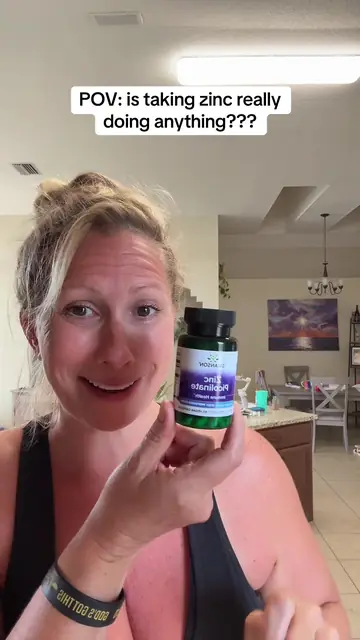
Below are two of my recent product videos, a zinc supplement and a hydration drink mix, so you can see a couple of these formats in action. A product in my video does not mean that brand hired me.
Supplements
Zinc supplement
Hook: “POV: is taking zinc really doing anything???”
Cover frame: Trish holds up a bottle of zinc supplements in her kitchen
Watch on TikTok: Zinc supplement (opens in a new tab)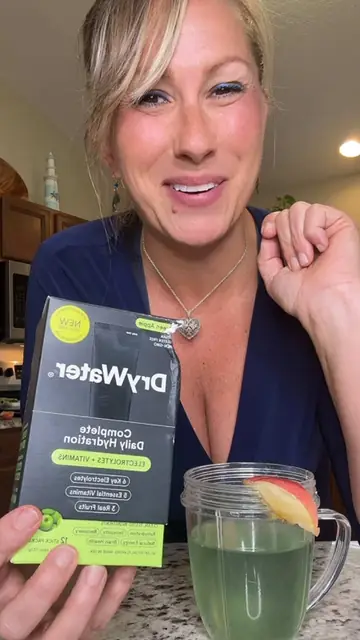
Supplements · TikTok Shop
Hydration drink mix
Product demo with the box, the packet and the finished drink.
Cover frame: Trish holds a box of hydration drink mix next to a glass of it
Watch on TikTok: Hydration drink mix (opens in a new tab)These are my own TikTok posts, shown as samples of my work. TikTok Shop videos can earn me a commission when viewers buy through them. A product appearing here does not mean that brand hired me.
Where UGC runs
A UGC video is not one post. It's raw material. Here are the most common places brands put it to work:
- Your own social accounts, posted as organic content.
- Product pages and email, where a real person using the product helps a shopper picture it in their own home.
- Paid social ads, where you test several creator videos against each other and keep the winners. I break down hooks and scripts in UGC ads.
- TikTok Spark Ads. TikTok describes Spark Ads as a native ad format that lets advertisers use organic TikTok posts in their advertising, including posts by other creators with the creator's authorization (TikTok (opens in a new tab)). The how-to lives in TikTok Spark Ads.
- Meta Partnership Ads. These run creator content as ads under the creator's handle. In May 2025, Meta said advertisers can now feature a single partner in the ad's header on Facebook and Instagram (Meta (opens in a new tab)).
Notice that the last two run through the creator's own account or name. That is a different permission from simply having the video file, so ask for it up front instead of after the ad is built.
Rights and rules before you hire
Quick note first: this is general information, not legal advice. Have your own attorney look at your contract.
Who owns the video? Under US copyright law, the author is ordinarily the person who actually created the work, and "works made for hire" are the exception (U.S. Copyright Office (opens in a new tab)). So a video a creator makes for you starts with the creator unless your written agreement says otherwise. Hootsuite makes the same point from the marketing side: the creator holds the copyright, and using their content without consent can lead to infringement claims. The fix is easy. Put in writing where you can use each video, for how long, and whether paid ads are included. My full checklist is in UGC usage rights.
Disclosure. The FTC tells creators that if a brand gives them free or discounted products or other perks and they then mention one of its products, they need to make a disclosure (FTC (opens in a new tab)). Gifted product counts, not just cash. Build the disclosure into the plan from day one.
Brands are on the hook, too. Under the FTC's Endorsement Guides, advertisers can be liable for misleading or unsubstantiated statements made through endorsements, and for failing to disclose unexpected material connections with the people endorsing them (16 CFR 255.1 (opens in a new tab)). Translation: don't hand a creator a script full of claims your brand can't back up. That goes double for supplements and skin care. A good brief sticks to what the product and its label can support.
How to find and brief a UGC creator
When you set out to find UGC creators, here's what to look for:
- Samples in your niche. Ask to see videos close to your product category. Mine are on my portfolio.
- The formats you need. If your editor wants b-roll, make sure the creator shoots it.
- Turnaround and delivery. Ask how long a batch takes and how the files arrive.
- Fit with your buyer. If your customers are Gen X, test a GenX UGC creator.
- Comfort with the rules. A creator who knows the disclosure basics saves you a headache later.
Then send a brief. This is the list I ask for on my contact page, and honestly, it works for any creator:
- Your brand and website
- The product, and whether you can ship it
- How many videos, which formats, and whether you want b-roll
- Where the videos will run (organic, TikTok Shop or paid ads) and for how long
- Your timeline
- Your budget range
Not sure what to budget? How much UGC creators make rounds up the published rate ranges, with sources, so you walk in with realistic numbers.
How I work with brands
Here's my lane, so you can tell fast whether we're a fit.
- What you get: batches of videos plus b-roll, delivered to a shared Google Drive folder.
- How it's paid: a monthly retainer, so fresh creative keeps coming instead of one video and done.
- Niches I love: supplements, food, pet products, car products, the kitchen and kitchen appliances, planting and gardening, makeup, skin care and hair care.
- What I won't do: alcohol, tobacco or gambling. I also don't do "canvas" UGC, where I'd create a brand-new TikTok or Instagram account for you and keep posting to it nonstop.
- Need the ads, too? I quote packages together with my ads partner. I make the videos, and they run the ads, landing pages and tracking.
I'm a Navy veteran and a GenX UGC creator, and I think grown-up buyers deserve ads that look like their real lives. If that sounds like your brand, the details are on work with me.
Questions people ask
What is UGC for brands?
UGC for brands is short, natural-looking content, usually video, made by a real person about a product. The brand posts it on its own channels, its product pages or its ads. A paid UGC creator makes it on commission, and the brand gets its usage rights in writing.
Does a UGC creator need a big following?
No. A UGC creator makes content for your channels, while an influencer posts on their own, so the reach comes from your accounts and your ads. What matters more is whether their samples fit your product, your formats and your buyer.
Who owns a UGC video a brand pays for?
Under US copyright law, the person who creates a work is ordinarily its author, so ownership and usage come down to your written agreement. Spell out where you can use each video, for how long, and whether paid ads are included. This is general information, not legal advice.
How do brands find UGC creators?
Look for creators whose samples match your niche and the formats you need, ask about turnaround and b-roll, and then send a clear brief: the product, where the videos will run, for how long, your timeline and your budget range.
References
- Participative Web and User-Created Content (opens in a new tab). OECD.
- What is user-generated content (UGC)? (opens in a new tab). Hootsuite blog (vendor).
- Where Millennials end and Generation Z begins (opens in a new tab). Pew Research Center.
- Consumer Expenditure Surveys, Table 2602: aggregate shares by generation of reference person, 2024 (opens in a new tab). U.S. Bureau of Labor Statistics.
- Consumer Expenditure Surveys, Table 2602: means by generation of reference person, 2024 (opens in a new tab). U.S. Bureau of Labor Statistics.
- About Spark Ads (opens in a new tab). TikTok Ads Manager Help Center.
- Meta at IAB NewFronts 2025 (opens in a new tab). Meta for Business.
- Circular 30: Works Made for Hire (opens in a new tab). U.S. Copyright Office.
- Disclosures 101 for Social Media Influencers (opens in a new tab). Federal Trade Commission.
- 16 CFR 255.1: General considerations (FTC Endorsement Guides) (opens in a new tab). Legal Information Institute, Cornell Law School.
Keep reading

UGC vs Influencer Marketing: What You Are Really Paying For
A UGC creator makes content for your channels. An influencer posts on theirs. Here is how to tell which one your brand actually needs, plus rights and disclosure basics.
Types of UGC Videos: The 5 Formats Brands Actually Run
Talking head, yap style, lifestyle, product demo and b-roll: the five types of UGC videos I make, what each one does, and how to brief it.

UGC Usage Rights: A Plain-English Guide for Brands
Who owns a UGC video, what organic, paid, perpetual and creator-account usage mean, what vendor rate guides say they add, and a contract checklist for brands.